Change isn’t new, but right now change feels evident in more places, in more ways, and often where we least expect it. In this issue, we’ve pulled together a series of stories that explore exactly that: how change is reshaping the environments we work in, the way we move around the world, and even how we preserve the past.
Take global mobility, for example. If you’re thinking about relocating people in the coming years, it’s clear the rules of the game are shifting. In Hardening borders and privileged pathways: how immigration may change from 2026 to 2030, we look at how borders are becoming more selective, not simply opening or closing, but prioritising certain skills and tightening compliance. It’s less about ticking boxes and more about navigating a much broader risk landscape.
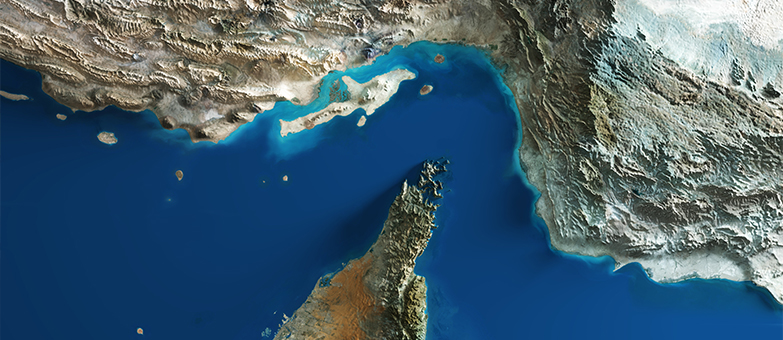
That same sense of interconnectedness plays out on a much larger scale too. In When Hormuz Stopped Feeling Distant, we’re reminded how events happening thousands of miles away can quickly affect supply chains, businesses, and daily life.
Meanwhile, closer to home, many organisations are still rethinking their workplaces. A New Office Isn’t Always a Successful One. Why? challenges the idea that a new space automatically delivers better results. Instead, it shows just how important it is to design offices around how people actually work today and the role this plays in the happiness, or otherwise, of your employees.
And then there are the specialists working quietly behind the scenes. The World Behind the Wall: The Hidden Story of Art Logistics takes us into the hidden side of art logistics, a fascinating world of meticulous planning and precision that ensures priceless collections arrive exactly as they should, even if most people never see the effort involved.
Finally, Amber or Archive? What To Do Before Digitizing Historic Books explores the delicate decisions involved in digitising historic materials. It’s not just about scanning and storing—there’s a careful balance between protecting fragile originals and making them accessible for the future.
Taken together, these stories are a reminder that while change can feel complex, a bit of planning, and the right expertise, can go a long way in helping us stay one step ahead.
How immigration could shift by 2030
How will immigration change over the next five years? Our latest Crown World Mobility paper unpacks a move towards stricter, more targeted systems, and the growing impact this will have on global workforce planning.
When Hormuz stopped feeling distant
Recent events in the Gulf are already reshaping global logistics. We look beyond the headlines to explore how disruption at a key chokepoint is affecting routing, costs and timing.
Why a new office isn’t always a successful one
A new office doesn’t automatically improve performance. How can relocation and redesign often feel short, and what metrics should you be measuring?


The world behind the gallery wall
What goes into getting a masterpiece onto the wall? This piece looks at the unseen world of art logistics, from storage and handling to the precision required to keep collections protected in motion.
Amber or archive
What should you prioritize first when digitizing historic books? This piece explores how to protect fragile originals while creating digital assets that last.
